
Last Friday, I spent two hours scrolling through endless social‑media feeds, then sat down for an hour of mindless video games. I realized the same 24 hours could be split into three blocks: 8 hours of focused work, 6 hours of learning, and 10 hours of relaxation. That simple reallocation changed my weekend rhythm.
1. Automate the Mundane
Most people waste 15–20 minutes each morning checking email. I set up a rule in my mail client to move newsletters to a “Read Later” folder and only open them at 11 a.m. I also use IFTTT to add new tasks from my email into a Trello board. The result? I save roughly 30 minutes per day that I can spend on a side project or a new recipe.
2. Use Smart Scheduling Apps
When I plan a hiking trip, I open Google Calendar, add the trail’s GPS coordinates, and set a reminder for 6 p.m. the day before. The app then sends me a push notification with the weather forecast and a suggested packing list. I’ve cut the prep time for outdoor activities from an hour to 25 minutes.
3. Harness Voice Assistants for Quick Tasks
Instead of typing “what’s the weather tomorrow?” into my phone, I ask Alexa or Google Assistant. I also program routines: “Good night” turns off all smart lights, locks the door, and sets the thermostat to 68 °F. These micro‑tasks, once automated, free up mental bandwidth for creative work.
4. Batch Your Entertainment
Watching a single episode of a series can be a rabbit‑hole. I now set a timer on my phone for 30 minutes, watch two episodes, then pause. After the break, I do a short walk or a quick stretch. This keeps the enjoyment high while preventing binge fatigue.
5. Combine Learning with Leisure
When I’m on a train, I listen to a 20‑minute TED Talk on a topic I’ve always been curious about. That way, a 45‑minute commute becomes a 20‑minute knowledge session. I’ve already completed three courses on graphic design this month, all while commuting.
6. Digital Minimalism: Declutter Your Devices
I delete apps that I’ve used less than twice a month. On my phone, only 12 apps remain. This reduces the time spent hunting for the right tool, cutting app‑switching overhead by about 10 minutes per day.
7. Maximize Your Weekend with Smart Tech Tips
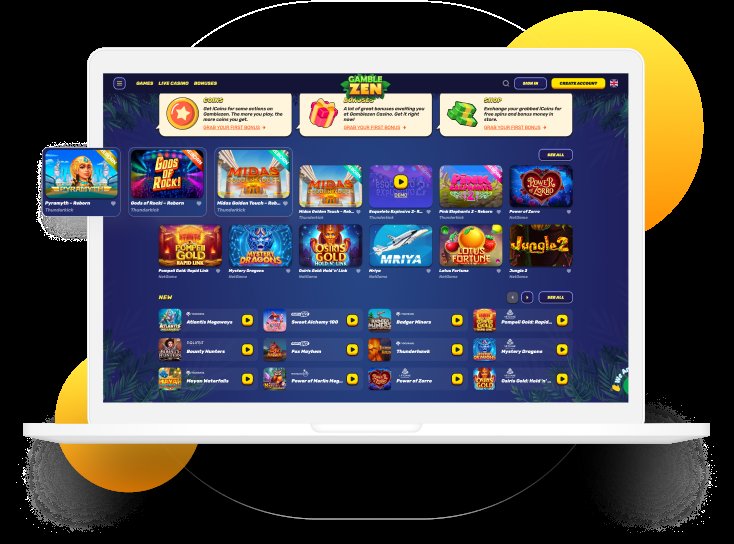
For those who love a good game night, integrating online gaming into your weekend can be both fun and efficient. I recently discovered a platform that offers instant play and instant payouts, allowing you to test new titles without a long commitment. If you’re curious about where to start, I recommend checking out Gamblezen casino for a streamlined experience.
8. Reflect and Adjust
At the end of each weekend, I review the time logs I’ve kept in a simple spreadsheet. If a task took longer than anticipated, I note the cause—was it an unexpected email, a noisy neighbor, or a social media distraction? I then tweak the next weekend’s plan accordingly.
Conclusion: Small Shifts, Big Impact
By automating routine chores, batching entertainment, and using voice assistants, I’ve turned passive hours into productive ones. The key is consistency: set up the systems once, then let them run while you enjoy a weekend that feels both relaxed and rewarding.
Frequently Asked Questions
What is the core idea behind turning idle hours into productive play?
It’s about segmenting time into focused work, intentional learning, and deliberate relaxation, rather than letting tasks spill over each other.
How can I automate mundane tasks to free up more time?
Use email rules, auto‑archiving, and productivity apps to batch‑process repetitive actions so you only tackle them when you truly need to.
What tools help with learning during a weekend?
Schedule short, focused learning blocks using apps like Anki for spaced repetition or Duolingo for language practice, keeping each session under 30 minutes.
Why is intentional relaxation more effective than random leisure?
Planning rest—like a 10‑hour block—ensures you recharge fully, reducing burnout and keeping you ready for the next week.